Navratri in a school hall, a mela in a community centre car park, a summer festival in the park. Somewhere between four hundred and a thousand people will come, you do not know which, and about forty volunteers in shifts have to make it work. It is the hardest headcount in event planning, and the most forgiving crowd.
You cannot RSVP a festival
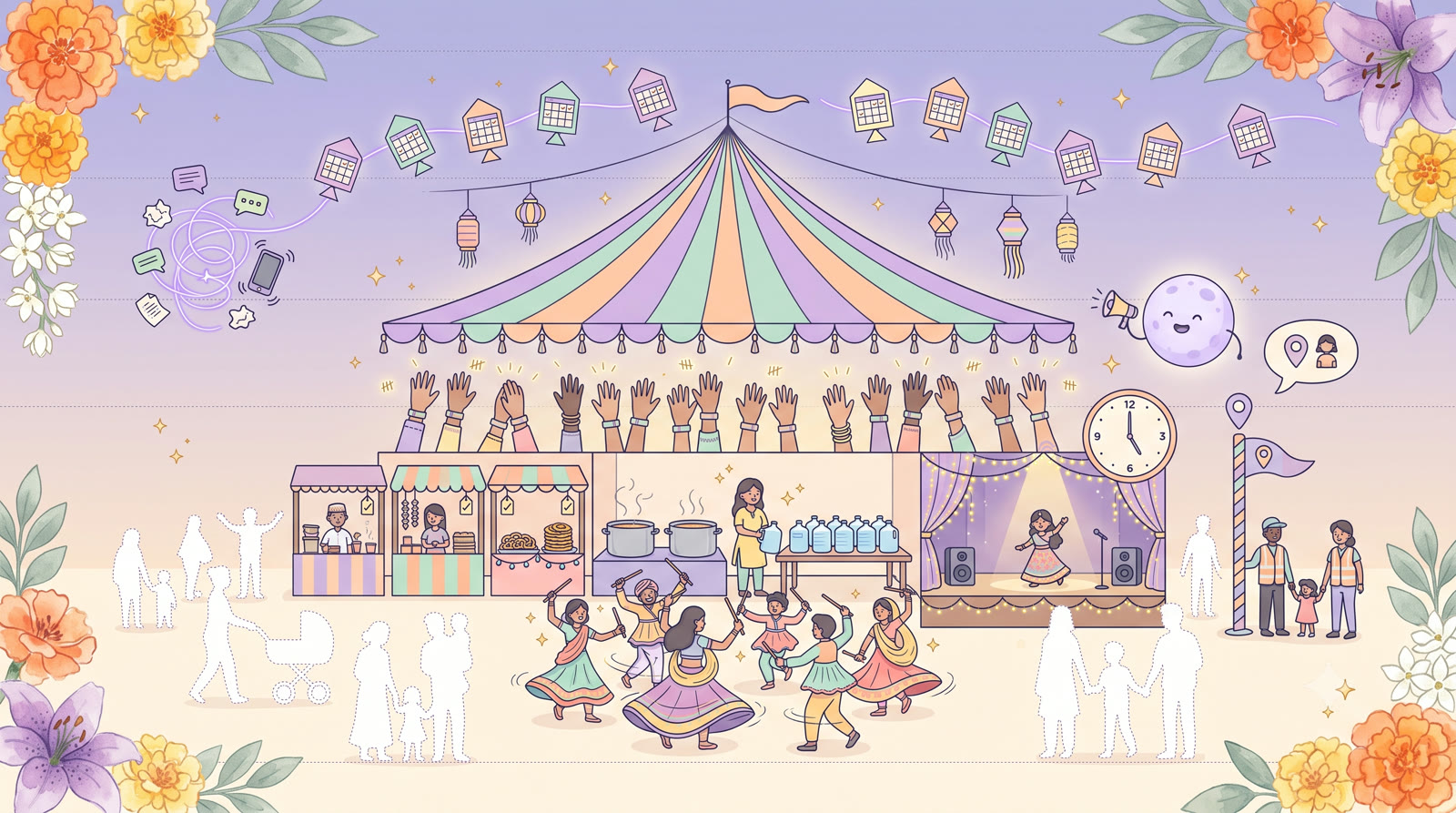
Start here, because it reframes everything. A festival is open — that is the point of it. Nobody is going to RSVP, the number who come depends on the weather, and a plan built on a precise guest count is built on sand.
So plan for ranges rather than numbers, and count the things you genuinely can: volunteers signed up, stalls confirmed, portions cooked, chairs available, parking spaces. Those are the figures that tell you whether Saturday will hold.
Volunteers come in shifts, not roles
This is the mistake that empties a rota. “Parking” is not a job; it is four jobs, two or three hours each, and the person who can do 4pm is almost never the person who can do 8pm. Ask for a day and most people say no, because most people cannot give a day. Ask for a shift and the same people say yes.
So the list has to carry shifts with a number of spots on each, and it has to let somebody say which hours suit them. The difference between a rota that fills and one that does not is usually this and nothing else.

Three phases, three lists
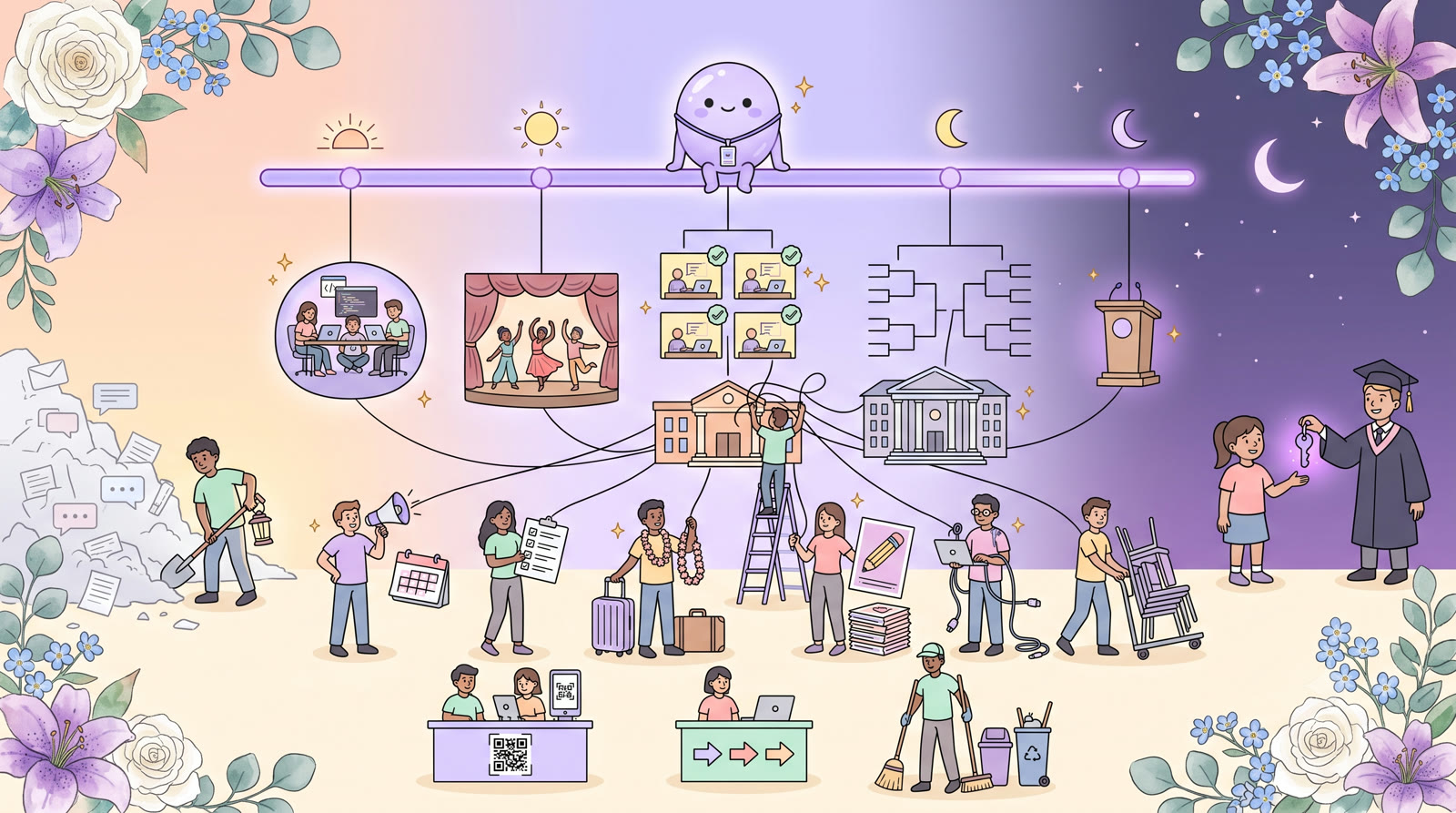
Before the day is sponsorship and donations, decorations and the stage backdrop, publicity through flyers and WhatsApp, and stall coordination — food, crafts and community stalls, each needing a contact and a pitch.
Food is its own world: prasad or langar seva, cooking and kitchen help, serving, and someone solely on drinks and water, which is always underestimated and always runs out first.
On the day is parking and traffic, the entry and welcome desk, stage, sound and announcements, the children’s area, marshals, and clean-up and bins — which needs more people than anyone ever puts down for it.
Shifts that fill, stalls that know where to park.
Volunteer sheets split by shift with spots on each, every stall kept as its own contact and status, and a running order the whole committee can see.
Plan Your Festival FreeStalls are vendors, so treat them like vendors
A stallholder needs the same things a caterer needs: where to arrive, when, what they are bringing, what you are providing, and who to call when the table they were promised is not there. Keeping each stall as its own entry — with a contact, a status and a short list of what was agreed — takes the whole thing off the organiser’s phone and into something anyone on the committee can read.
A stage that starts on time
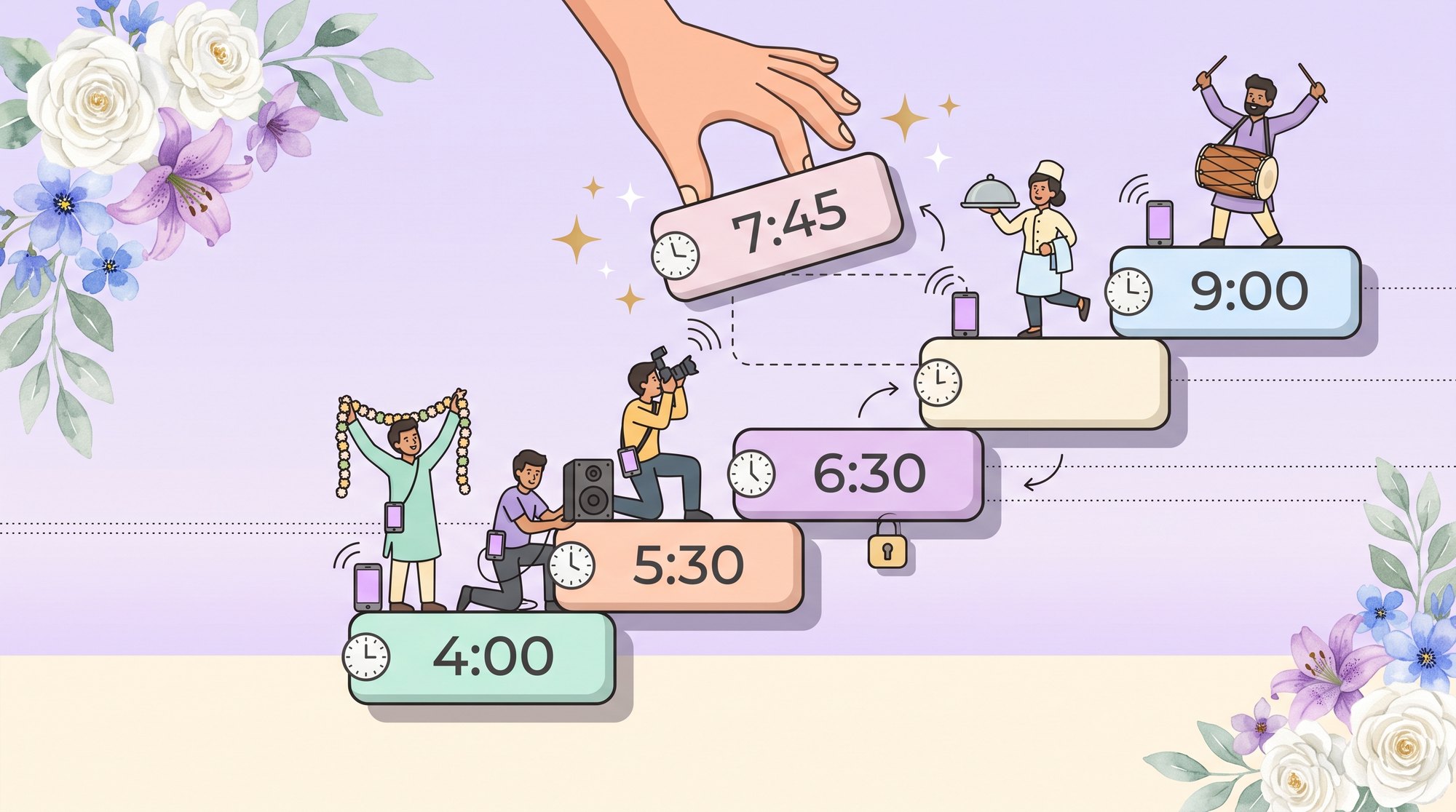
Festival stages run late. They run late because the running order lives on one person’s printout, the group before overruns, and nobody backstage knows who is next. A shared run of show with times against items fixes most of it, and publishing it means the family who came for their daughter’s dance at 5:30 is not waiting from two o’clock.
The lost-child point
One small thing worth more than it looks. Name a single place, put two marshals on it, announce it from the stage at the start and once an hour, and print it on the entry signage. A festival with six hundred people and children running between stalls will need it, probably twice, and the difference between a calm five minutes and a frightening twenty is entirely whether it was decided in advance.
You cannot count who is coming to a festival. You can count every hand that agreed to help, and that is the number that decides whether it works.
Shifts rather than roles, three lists rather than one, stalls treated like the vendors they are, and a running order everyone can see. The crowd will forgive a lot — just not a stage that starts an hour late with no announcement.